
Search
About 0 results
Showing results for “ 小丑料站, 【访问 Amsiga.com】oJM3t5i, 螃蟹CVV料站, 同步鱼, 钓鱼网站教学 9xvl ”


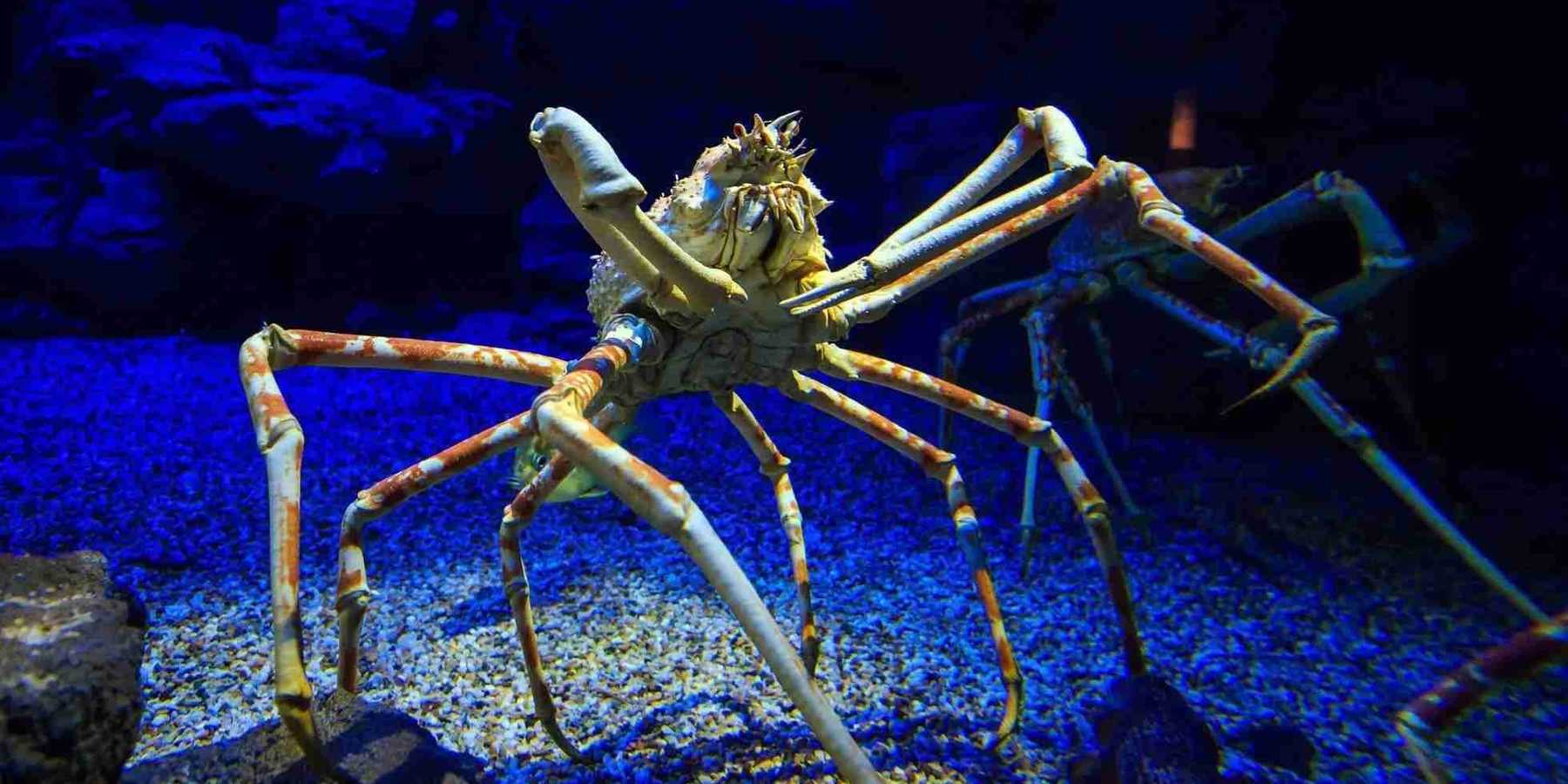
Fun Japanese Spider Crab Facts For Kids
Japanese spider crabs, as the name suggests, are a species of crab that resemble enormous spiders. These arthropods are found near the Pacific shores of Japan.
They are considered to be one of the largest arthropods. But even though they grow to an enormous size (bigger than an average human), they are quite docile in nature. They are in fact a little lazy as well.
They are not known for their predatory skills and survive instead as a scavenger. These crabs can not defend themselves well and choose to use camouflage as a way to protect themselves.
Japanese Spider Crabs are considered to be a delicacy in Japanese cuisine. It is served on various occasions and festivals. In the last few decades, the fishing of Japanese spider crabs has increased manifold.
This has led the Japanese government to regulate its fishing and banning it entirely during the breeding season. These crabs require a very specific environmental condition to live in. This restricts its breeding elsewhere and is hence solely dependent on the natural population that lives around Japan.
You may also check out horseshoe crab facts and king crab facts from Kidadl.

Facts On Chinese Junk, An Ancient Chinese Ship For Kids!
Ocean-going commercial junks traveled for centuries across Southeast Asia, China, India, and as far as Africa in the 1400s.
Chinese junks were the world's most vital, largest, and seaworthy ships of the time. They were hundreds of yards long in some cases.
The sails, which have a line of horizontal supports called battens, are one of the first things you think of in Chinese junk boats. Battens made sails extremely resistant to breakage and enabled them to be quickly and efficiently reduced if the weather or wind became too much to handle.
Also, unlike a square-rigged European sailboat, this form of sail permitted seamen to sail into the wind far more effectively.
The robust, lightweight junk is noteworthy as being the first ship to have a rudder fixed on its stern, allowing for steering, in addition to having a great name. Ralph Birkinshaw is a man who is fascinated by Chinese junk boats.
He built many models of these boats, which he created to scale and to be realistic in their features. So he donated six of his seven prototypes to the Burke Museum in the year 1976.
If you would like to learn more about history and stories, check out our articles on the Chinese pirate queen and shamisen too!
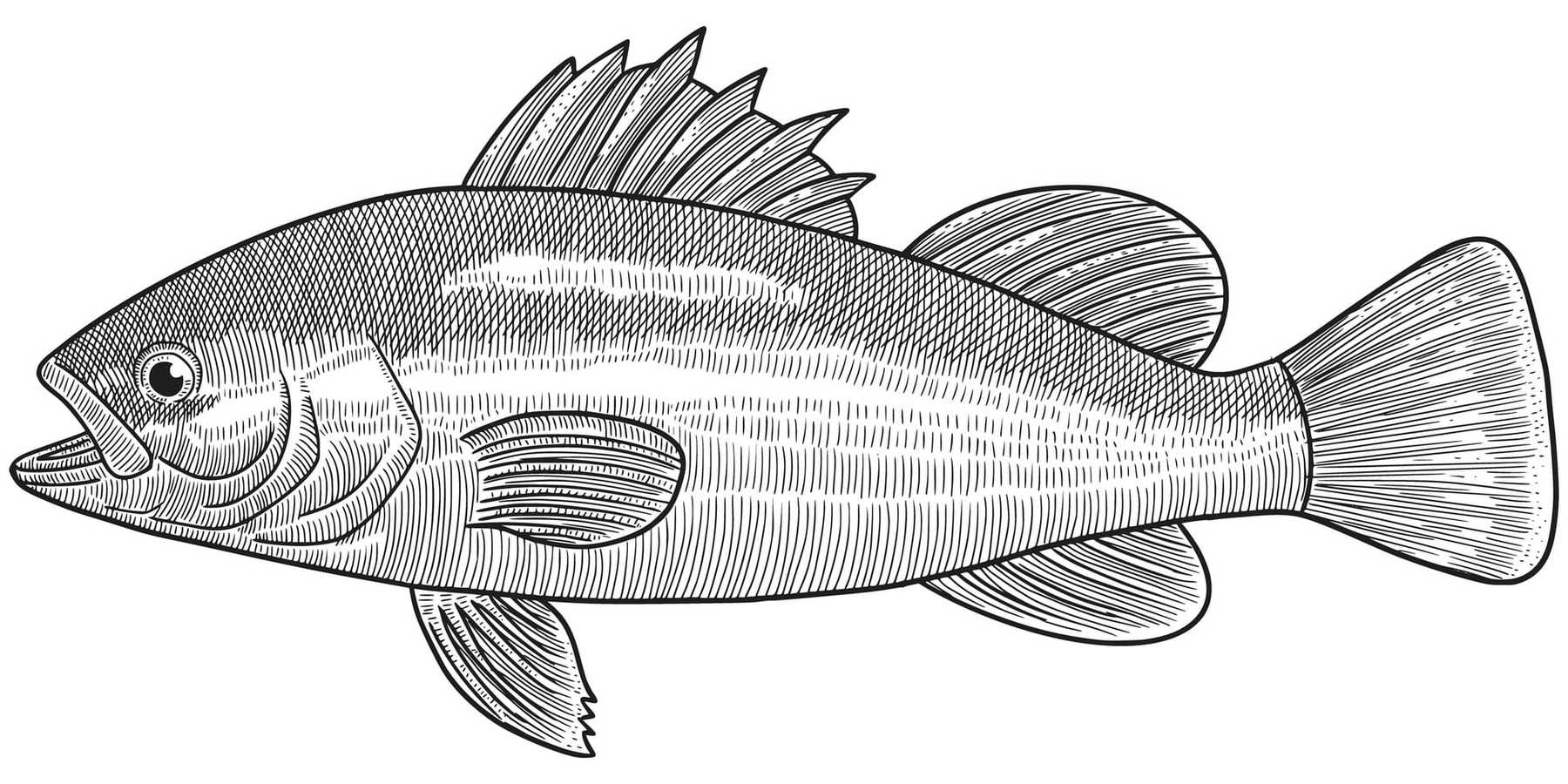
Fun Chinese Bahaba Facts For Kids
The Chinese bahaba (Bahaba taipingensis) is a very large fish, which used to be commonly found in the shallow seas and estuaries within its range, which is mostly limited to the estuaries of the rivers of southern China, as well as its coastal region and the waters of Hong Kong.
It can also be called the giant yellow croaker as it belongs to the family of fish consisting of drums or croakers, known for being able to make a repetitive drumming or thumping noise.
This fish species was known for collecting at estuaries for spawning purposes before moving to deeper waters and is considered to be extremely valuable in the market.
Thus, this species was extensively hunted and caught in by fishermen in the area.
A few years ago, a fisherman had caught a Chinese bahaba, which was estimated to sell in the market for one million yuan. This level of demand for these fish led to a sharp decline in the population of this species, and they are now rarely seen aggregating in an estuary for spawning.
Here are some intriguing facts about this giant species of fish!
If you are interested in knowing about other fish, check out our round goby facts and redbreast sunfish facts pages.


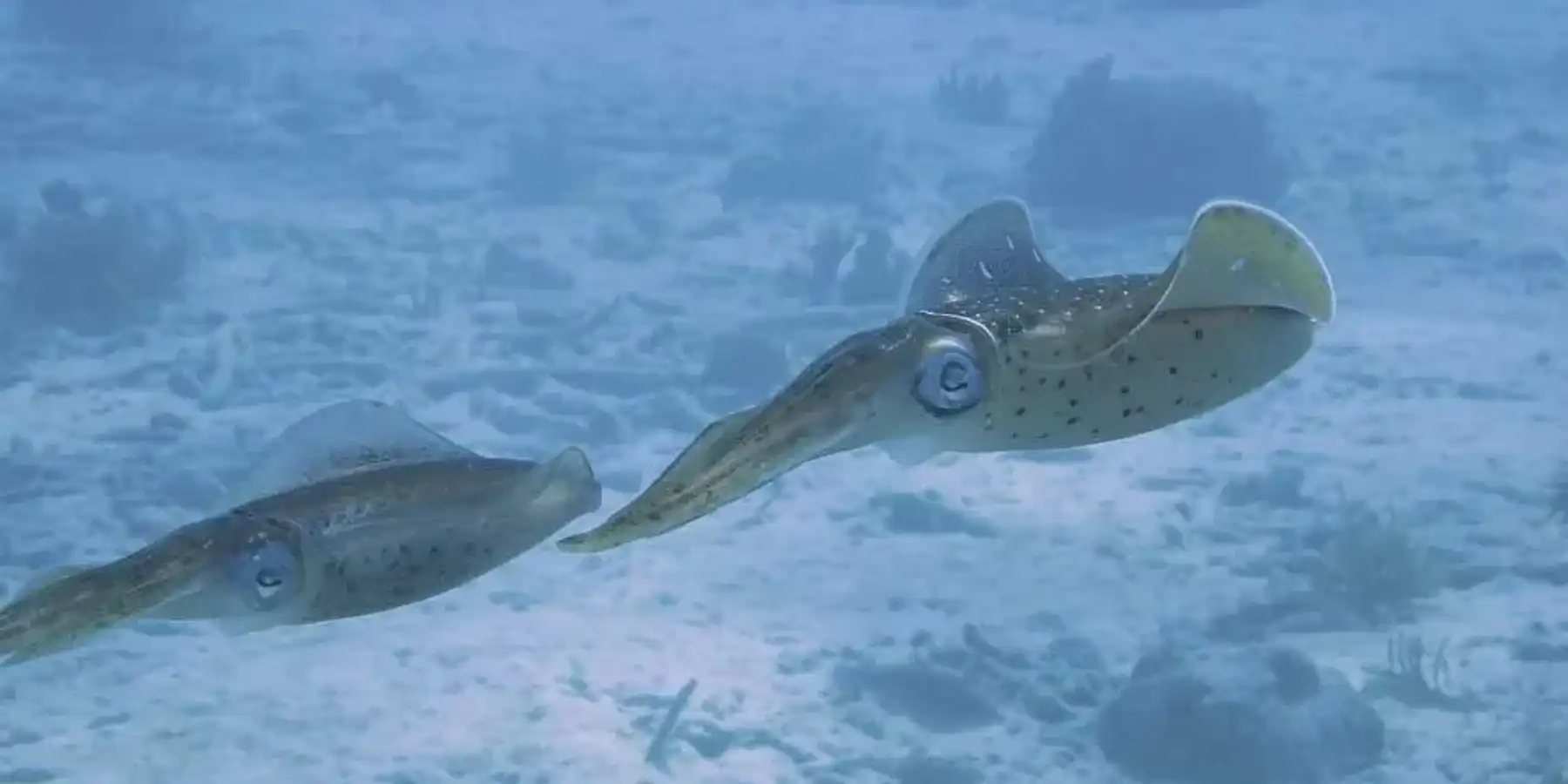
Fun Japanese Flying Squid Facts For Kids
Ever wondered if flying squids are real? Yes, believe us when we say flying squids really do exist.
The Japanese flying squid is also known as Japanese common squid and Pacific flying squid. It is found in the North Pacific Ocean, East China Sea, and the Sea of Japan.
One of the most interesting and fun facts about the Japanese flying squid is that males and females have different growth rates. They use the technique of jet propulsion and pressure for flying above the water surface. These cephalopods use the surface currents as guides for migration.
In order to minimize the impact while entering the water after gliding above the water, Japanese flying squids fold their fins and tentacles back in. These water creatures are popular as food items across Japan.
Here are some fun facts about Japanese flying squid (species name Todarodes pacificus) for your perusal. After reading these Japanese flying squid facts for kids, do have a look at our other articles on vampire squid and giant squid.
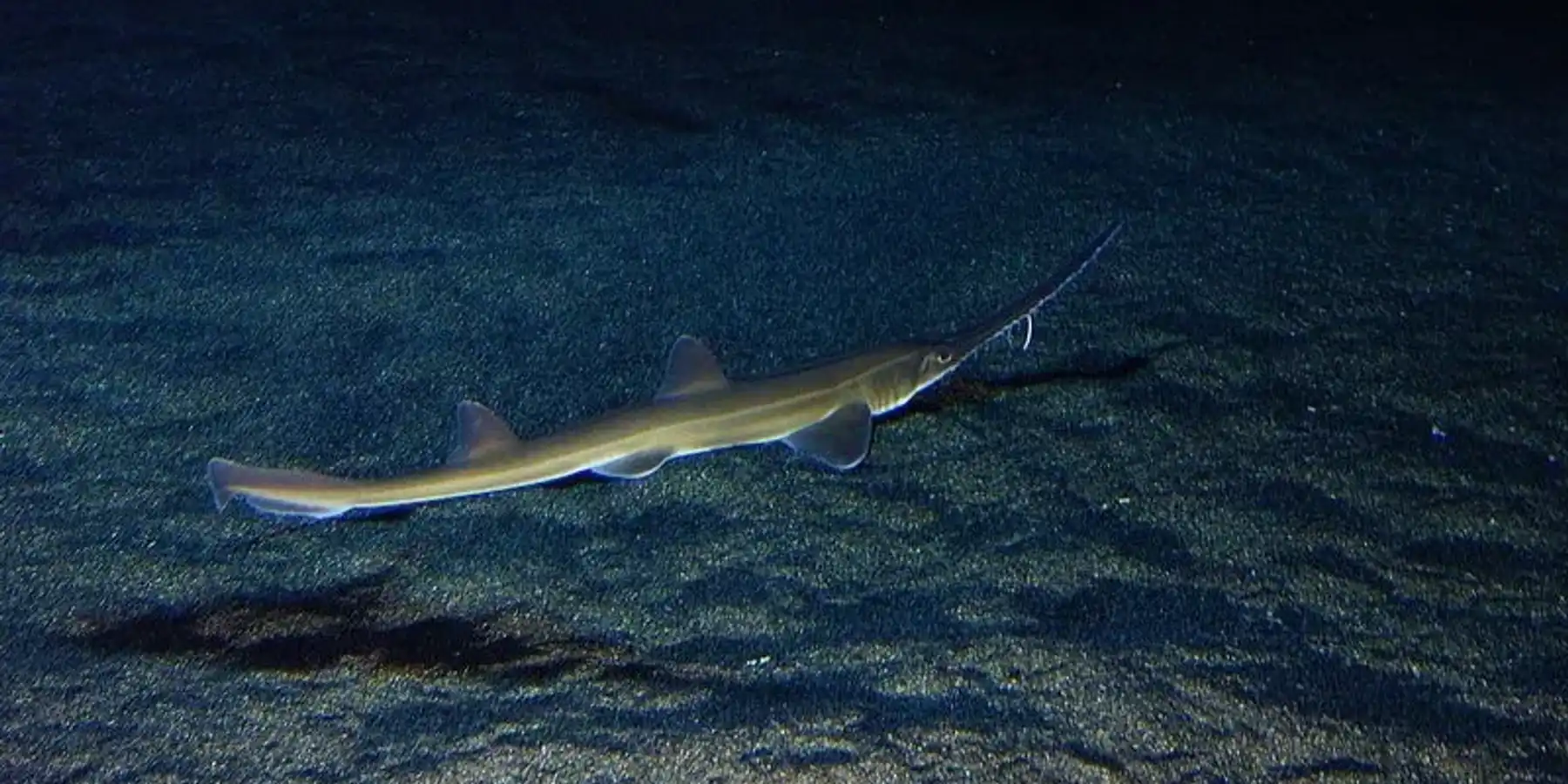
Fun Japanese Sawshark Facts For Kids
The Japanese Sawshark, Pristiophorus japonicus as it scientifically referred to, belongs to the Pristiophoridae family and has certain similarities with other members of the family. These sharks can be found in the northwest Pacific Ocean that includes around Japan, northern China that includes China sea, Yellow sea, and the Bohai Sea, Taiwan, and Korea.
This shark mostly inhabits coastal and deeper waters and continental shelf types of habitats.
Their reproduction is ovoviviparous and takes place seasonally and after an unknown gestation period, birth is given to around 12 pups.
This shark has a long, narrow, and flattened body with a flattened head and snout. It is brownish in color and youngs are similar looking and have light color sides or edges on the dorsal and pectoral fins.
This shark feeds on crustaceans and uses its barbels to find the organisms in the substrate. This shark can be migratory and thus, move along the water column when there are significant changes in the temperature.
It is quite fascinating to know about this shark and if you're interested, read about the saw shark and hammerhead shark too.


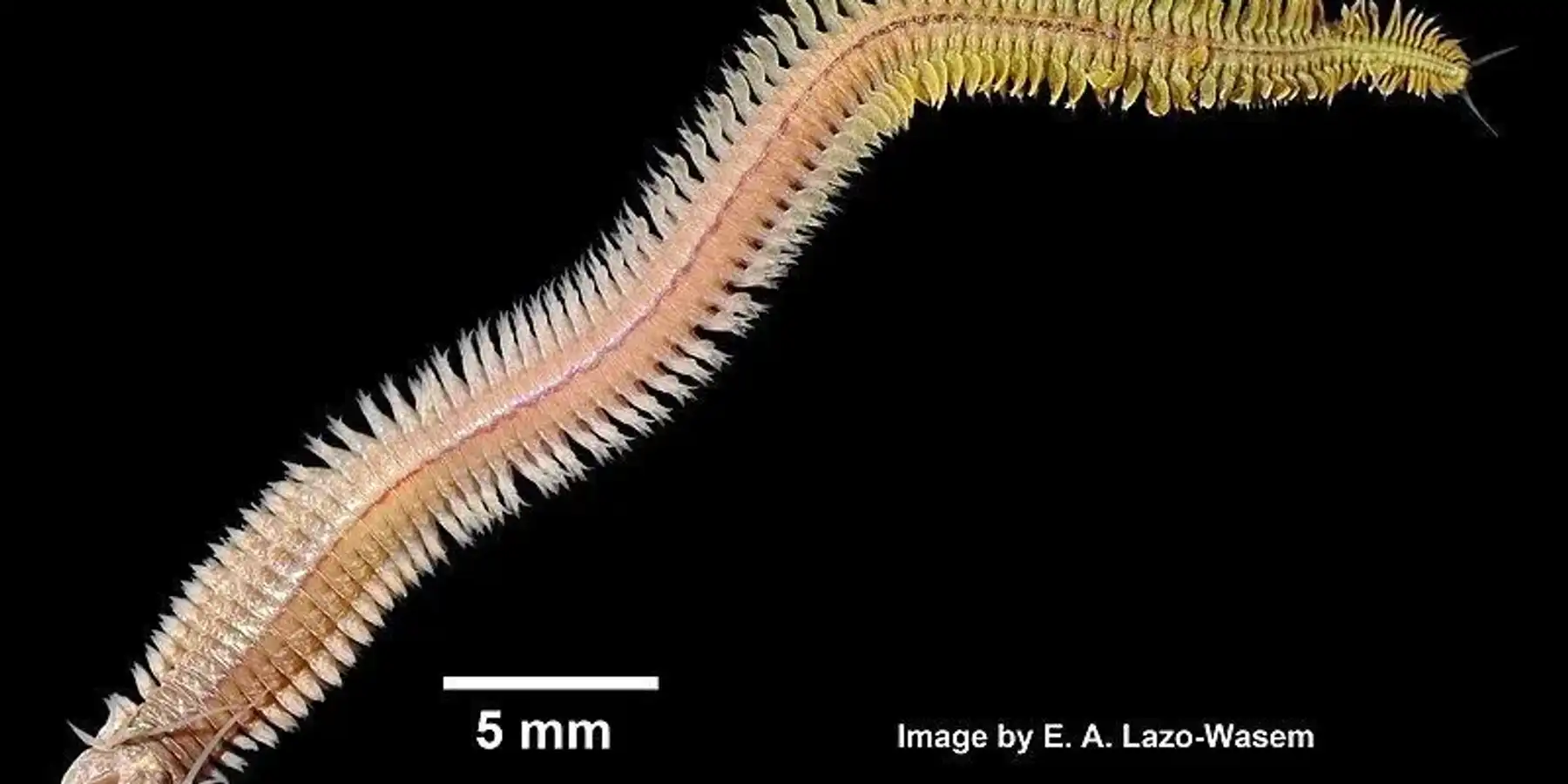
Fun Clam Worm Facts For Kids
The clam worm (scientific name Alitta succinea) is a member of the Nereididae family. This worm may come off as scary in terms of its looks, but it sure plays an important role in the marine ecosystem and food chain.
With four eyes, one mouth and a fang-like proboscis, clam worms sure are slightly terrifying. One of the greatest features about these worms is that they can secrete a mucus-like substance, which can harden like a shell. This is also how the worm gets its name.

